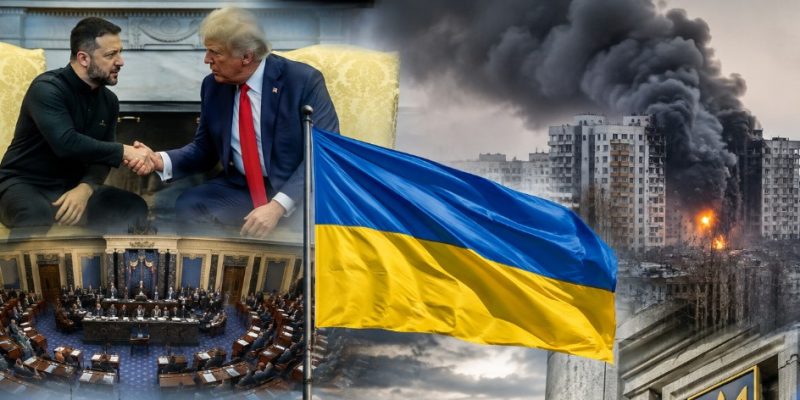
The week of July 26 to August 1 was marked by active diplomacy in Kyiv, leadership changes within Ukraine’s security sector, continued Russian attacks on Ukrainian cities, and discussions in the United States about new sanctions against Russia. International attention focused on President Volodymyr Zelenskyy’s talks in Washington, while domestically one of the biggest developments was a large-scale reshuffle in the leadership of the Security Service of Ukraine (SBU) as part of ongoing efforts to strengthen the country’s national security system.
Related: Weekly Digest of Ukraine (July 19–25, 2026): a brief overview of the week’s main events
Volodymyr Zelenskyy’s Visit to the United States and New Agreements
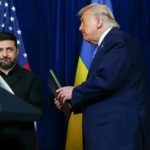
One of the week’s key events was President Volodymyr Zelenskyy’s visit to Washington, where he held talks with U.S. President Donald Trump and senior members of the U.S. administration. Following the meeting, the Ukrainian side announced agreements to expand defense cooperation, including joint production of missiles for Patriot air defense systems. The discussions also covered stronger sanctions against Russia and continued military assistance to Ukraine.
At the same time, the U.S. Senate advanced legislation introducing additional sanctions against Russia and Iran. The bill would expand the U.S. president’s authority to impose tariffs on major importers of Russian energy resources and now awaits consideration in the House of Representatives.
President Reshuffles Regional Leadership of the Security Service of Ukraine
President Volodymyr Zelenskyy signed a series of decrees introducing major personnel changes within the Security Service of Ukraine (SBU). The heads of regional SBU directorates in Lviv, Poltava, Chernivtsi, Sumy, Cherkasy, Ternopil, and Mykolaiv regions, as well as the leadership of the SBU’s Main Directorate for the Autonomous Republic of Crimea, were dismissed. New regional chiefs were appointed simultaneously.
The reshuffle became one of the largest personnel changes within the SBU in recent years. The presidential decrees were published on the official website of the President of Ukraine. The appointments come as the country continues wartime security reforms.
Russian Strikes on Ukrainian Regions Continue
Throughout the week, Russian forces continued launching combined missile and drone attacks against Ukrainian cities and regions. Multiple oblasts came under fire.
President Volodymyr Zelenskyy stated that preliminary information indicated Russia had used a North Korean ballistic missile in one of the attacks, reportedly for the first time in a significant period. Ukrainian authorities said the information was still being verified by relevant agencies.
Kyiv has continued urging its international partners to accelerate deliveries of modern air defense systems and ammunition to better protect civilian infrastructure.
International Support and Planned High-Level Visits
Reports emerged during the week that Steve Witkoff and Jared Kushner, special representatives of the U.S. president, are preparing to visit Kyiv in the second half of August.
According to media reports, the trip is intended to build on agreements reached during the Washington meetings and could coincide with events marking the 35th anniversary of Ukraine’s independence.
Ukraine also continued consultations with European and North American partners regarding defense financing, arms supplies, and additional sanctions against Russia.
Security and Domestic Agenda
Throughout the week, Ukrainian law enforcement agencies continued investigating corruption cases and crimes related to national security. At the same time, the government pursued measures aimed at expanding domestic defense production and preparing the country’s energy infrastructure for the upcoming heating season.
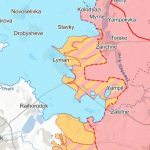
Military officials reported that the heaviest fighting continued on the eastern front. Ukrainian commanders remain focused on supplying frontline units with weapons, ammunition, and additional air defense capabilities.
The developments of the week demonstrate that the Ukrainian government’s priorities remain strengthening international support, reforming the national security system, and responding to continued Russian attacks. In the coming weeks, further negotiations with international partners and additional consideration of sanctions initiatives in the United States are expected.