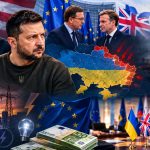
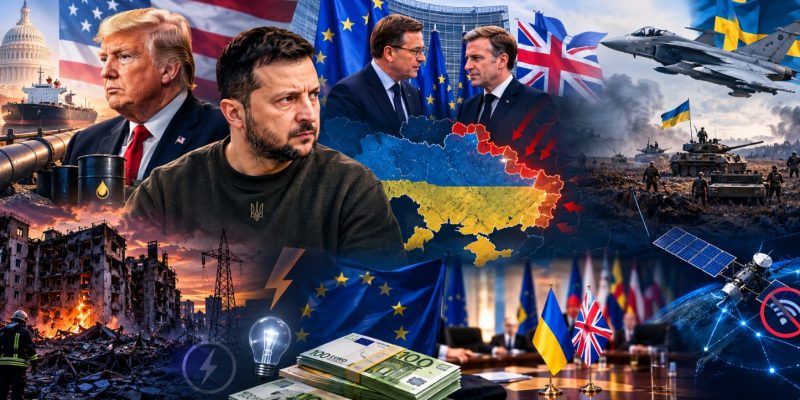
The week of October 10–17 was marked by intensified Russian attacks on Ukraine’s energy infrastructure, growing disagreements between Kyiv and Washington, and efforts to secure additional funding for defense. US President Donald Trump announced arrangements involving Russian diesel fuel supplies and called for a change in Ukraine’s leadership. President Volodymyr Zelensky sought additional financial support from European partners, while the United Kingdom reaffirmed its military assistance. Fighting continued along the front line, as Moscow announced the creation of what it described as a security zone inside Ukrainian territory.
Related: Weekly Digest of Events in Ukraine (October 3–10, 2026): a brief overview of the main developments
Russian Strikes on Energy Infrastructure Trigger Widespread Power Outages
Throughout the week, Russian forces continued missile and drone attacks on energy facilities and civilian infrastructure. On October 14, strikes on Kyiv and Kharkiv damaged dozens of energy facilities. According to Reuters, at least 600,000 people were left without electricity. Railway infrastructure in five regions was also targeted.
On October 16, strikes affected Kharkiv, Kramatorsk, Dnipropetrovsk region, Volyn, Sumy, and Rivne regions. According to Reuters, at least eight people were killed and around 60 injured. Power outages affected more than one million consumers in some areas, although repair crews restored electricity to parts of the affected population.
The attacks intensified concerns about Ukraine’s ability to get through the upcoming heating season. Ukrainian authorities continued repairing damaged infrastructure and preparing the energy system for winter demand.
Trump Softens Sanctions Policy Toward Russia
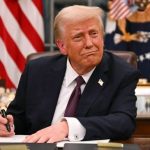
On October 17, Donald Trump signed an executive order providing for the suspension of certain sanctions and tariff measures against Russia under a new US law. The legislation was designed to penalize Moscow for its invasion of Ukraine and included the possibility of imposing tariffs of up to 100% on countries purchasing Russian energy.
Reuters reported that Trump justified the decision on the grounds of US national interests. One factor was high fuel prices amid the conflict involving Iran. The move drew criticism from representatives of both major US political parties, who argued that easing restrictions could provide economic benefits to Moscow.
Earlier, on October 10, Zelensky criticized an arrangement between Trump and Russian President Vladimir Putin involving Russian diesel fuel imports into the United States. According to published reports, the initial shipment was expected to total 300,000 tonnes. Kyiv fears that additional oil revenues would help Russia continue financing the war.
Zelensky Seeks Additional European Funding
On October 16, Zelensky attended the European Union summit in Brussels and called for additional defense funding for 2027. According to international media reports, Kyiv’s request amounted to approximately €70 billion. The funds would be needed to sustain military operations, procure weapons, and protect critical infrastructure.
European leaders reaffirmed their willingness to continue supporting Ukraine, but specific mechanisms for covering the additional budget shortfall remained under discussion. Estonian Prime Minister Kristen Michal told Reuters that the EU would probably have to provide Ukraine with a new loan. The use of frozen Russian assets also remained under consideration, although the proposal faced disagreements among member states.
Amid uncertainty over future US policy, European funding has become increasingly important for Kyiv. However, any final decision on additional assistance would require agreement among EU countries on the terms and financing arrangements.
United Kingdom Announces a New Military Aid Package
On October 13, Zelensky visited London for talks with British officials. According to Reuters, UK Prime Minister Andy Burnham announced a military aid package worth £45 million. The package included air defense equipment, including missiles needed to protect Ukraine against aerial attacks.
The British government also reaffirmed its support for Ukraine amid disagreements between Kyiv and Washington. London opposed the US arrangement with Russia concerning diesel fuel supplies and expressed its readiness to maintain pressure on Moscow through sanctions.
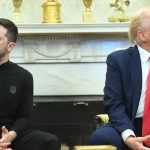
The visit took place amid Trump’s public criticism of Zelensky and discussions about the future of US military and intelligence support. For Ukraine, British assistance is particularly important for strengthening air defenses and maintaining the European coalition supporting Kyiv.
Kyiv Reports Restrictions on Starshield Satellite Communications
In mid-October, Zelensky said that full access for Ukrainian forces to the Starshield satellite system had not yet been restored. The technology is associated with Elon Musk’s SpaceX and is used to provide military communications. The restrictions have raised concerns among Ukrainian officials because some defense operations depend on satellite infrastructure.
The issue emerged amid worsening relations between Kyiv and the Trump administration. The US president denied that the United States or Musk was responsible for the communications shutdown, while Ukrainian officials reported that restrictions remained in place. The full circumstances surrounding the restrictions had not been independently confirmed in published reports.
The situation highlighted Ukraine’s vulnerability arising from its reliance on critical technologies provided by foreign companies and partners. Developing alternative solutions would require time, investment, and coordination with European allies.
Moscow Announces a “Security Zone” Along the Border
On October 16, Vladimir Putin announced the continuation of an operation to establish what Russia calls a security zone inside Ukrainian territory along the Russian border. According to Reuters, Kremlin spokesman Dmitry Peskov said the proposed zone extended approximately 660 kilometers and that Russian forces controlled around 70% of the designated area.
Moscow’s statements primarily concerned border areas in Sumy and Kharkiv regions. Putin described the creation of the zone as a task that would not be subject to reconsideration in future negotiations. Russia has justified the operation as necessary to protect its border regions following Ukraine’s operation in Russia’s Kursk region in 2024–2025.
The announcement came amid continued fighting and uncertainty surrounding US diplomatic initiatives. However, the figures cited by Moscow do not constitute international recognition of new borders or change the legal status of Ukrainian territories.
Ukraine Expects Deliveries of Swedish Gripen Fighter Jets
On October 16, Zelensky met Swedish Prime Minister Ulf Kristersson in Brussels. According to the Ukrainian president’s official website, the leaders discussed strengthening air defenses, protecting energy infrastructure ahead of winter, and Ukraine’s progress toward EU membership.
Zelensky said Kyiv expected Swedish Gripen fighter jets to be delivered soon. According to him, the aircraft would complement the F-16s already used by Ukraine, including in efforts to counter jet-powered attack drones of the Shahed type.
The meeting took place amid an increase in Russian aerial attacks and discussions about additional Ukrainian defense spending for the following year. However, the announcement of expected deliveries did not mean the aircraft had already been transferred to the Ukrainian Armed Forces. Specific delivery dates and quantities were not provided in the statement.
Ukraine Continues to Seek Diplomatic Support
Throughout the week, Kyiv worked to maintain international support despite disagreements with Washington. Zelensky called for greater European involvement in diplomatic efforts to end the war and criticized initiatives that, in Ukraine’s view, could increase Russian revenues without providing effective security guarantees.
On October 17, representatives of several European, Nordic, and Baltic countries walked out of a meeting of the International Monetary Fund’s steering committee during an address by Russian Finance Minister Anton Siluanov. Reuters reported that the move was another expression of international opposition to Moscow’s participation in multilateral institutions following the start of Russia’s full-scale invasion.
At the same time, diplomatic efforts did not produce a confirmed ceasefire agreement. Discussions about an energy truce took place alongside renewed attacks on infrastructure, while the positions of the United States, Russia, Ukraine, and European countries on the terms of a settlement remained divergent.
Weekly Summary
Ukraine’s main priorities remain protecting its energy system, supplying its armed forces, and securing stable funding for 2027. Diplomatically, Kyiv must seek greater European involvement while navigating uncertainty over US policy. The prospects for a ceasefire remain unclear amid continued attacks and the absence of agreed terms for a settlement.