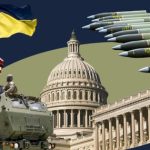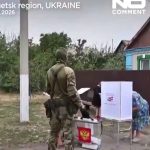

The week in Ukraine was marked by intense Russian air strikes, preparations for the winter season and rising defense spending. Kyiv said it was ready to discuss a limited halt to strikes on energy infrastructure if there were confirmed guarantees from the United States, while Ukrainian officials said preparations were under way for a possible resumption of trilateral talks with Russia and the United States in October. The EU allocated €3.3 billion to Ukraine for the procurement of missiles and drones, Poland joined a coalition developing missile defense capabilities, and Washington signed new legislation imposing sanctions on Russia.
Related: Weekly Digest of Events in Ukraine (September 5–12, 2026): briefly about the main developments
Large-Scale Russian Attacks and Growing Pressure on Infrastructure
On September 12, Russian strikes across several regions killed nine people and injured dozens, according to local authorities. Volodymyr Zelensky said Russia had used almost 500 drones since the beginning of the day. The strikes hit residential areas and infrastructure. Reuters reported that damage to energy and economic facilities was becoming an increasingly important element of the attacks.
On September 17, another massive attack hit Kyiv and several other regions. Reuters reported more than 20 people injured, along with damage to energy infrastructure and a mobile communications facility. Ukrainian authorities said 19 people were injured in Kyiv alone. Damaged sites included residential buildings, educational facilities, offices, petrol stations and railway infrastructure.
On September 19, Poland again put its aircraft, ground-based air defense systems and radar assets on alert amid Russian strikes on Ukraine. The Polish military later said that Polish airspace had not been violated and that its forces had returned to normal operations.
Kyiv and Moscow Discuss Possible Resumption of Talks
On September 12, Kyrylo Budanov, head of Ukraine’s presidential office, said Kyiv was preparing for the possible resumption of trilateral talks involving Russia and the United States in October. He said Ukraine was preparing for such a scenario following contacts between U.S. representatives Steve Witkoff and Jared Kushner and officials in Moscow and Kyiv.
The last trilateral meeting took place in Geneva in February. Moscow, through Kremlin spokesman Dmitry Peskov, said it had not ruled out a resumption of negotiations but did not give a specific date or venue. Kyiv considered Turkey, the United Arab Emirates and Switzerland among possible locations.
A separate discussion concerned a possible halt to strikes on energy facilities. Donald Trump said Russia and Ukraine had agreed not to attack each other’s energy infrastructure. Zelensky said Kyiv was ready to support such a step if the United States could confirm Moscow’s genuine readiness to comply with the arrangement.
EU Allocates €3.3 Billion for Missiles and Drones
On September 17, European Commission President Ursula von der Leyen announced that €3.3 billion would be allocated to Ukraine for the procurement of missiles and drones. The funds were transferred on September 18 under a European support mechanism. The European Commission said that, since the beginning of 2026, the EU had provided Ukraine with almost €15 billion in defense and budget support.
The decision followed a phone call between von der Leyen and Zelensky. Kyiv said they discussed financing and strengthening defense resilience. The funds are intended to enable additional weapons purchases as the intensity of air attacks increases.
Poland Joins Missile Defense Coalition
On September 18, Polish Prime Minister Donald Tusk announced that Poland was joining a coalition of Ukraine and its allies working on the joint development of a missile defense system. The initiative envisages a less expensive alternative to U.S.-made Patriot systems. Ukraine and several European countries agreed to establish the coalition in July.
Tusk also said preparations were under way for a new “significant” aid package for Kyiv, without disclosing its contents. The announcement was made during the first summit of the “Carpathian Eight” in western Ukraine.
U.S. Expands Sanctions Pressure on Russia
On September 18, U.S. President Donald Trump signed legislation granting new sanctions powers against Russia. The measure provides for action against the energy and defense sectors, as well as the so-called “shadow fleet” used to circumvent existing restrictions.
The legislation also allows for additional tariffs on Russia’s largest trading partners. The bill passed the House of Representatives and Senate before being signed by the president. Moscow had previously said that further restrictions could complicate diplomatic efforts.
Kyiv Presents Record Defense Budget for 2027
On September 16, Ukraine’s Cabinet approved the draft state budget for 2027 and submitted it to the Verkhovna Rada. According to the Finance Ministry, defense and security spending is planned at UAH 4.89 trillion, or about $110 billion. That would amount to roughly two-thirds of total planned state budget expenditure of UAH 7.27 trillion.
Budget revenues are forecast at UAH 5.6 trillion. Finance Minister Serhii Marchenko said Ukraine would need more than $52 billion in international financial assistance in 2027; about $20 billion had already been secured through partner commitments. The authorities are also considering the use of frozen Russian assets as a potential source of funding.
Economy and Winter Preparations Remain Key Risks
Ukrainian officials reported growing damage from Russian strikes on infrastructure and productive assets. Economy Minister Oleksandr Kravchenko estimated that direct damage to infrastructure and fixed assets from air attacks in 2026 had approached $10 billion. The broader economic impact of the attacks and restrictions on the operation of Black Sea ports was estimated at about 1.5 percentage points of GDP.
Around $40 billion in export revenue was considered at risk because of restrictions affecting port trade, according to his estimate. During the first eight months of 2026, domestic budget revenues were $1.35 billion below plan, while about $42 billion was allocated to defense. The government separately earmarked almost UAH 100 billion in the 2027 draft budget to support the energy sector, including the protection and restoration of facilities and the development of distributed generation.
Conclusion
By the end of the week, Ukraine was simultaneously facing continued air strikes, rising financing needs and the challenge of preparing its energy system for winter. At the same time, the diplomatic track remained open: Kyiv was considering a resumption of talks and a limited halt to strikes on energy infrastructure, while the EU, United States and European countries continued to expand financial and military support.