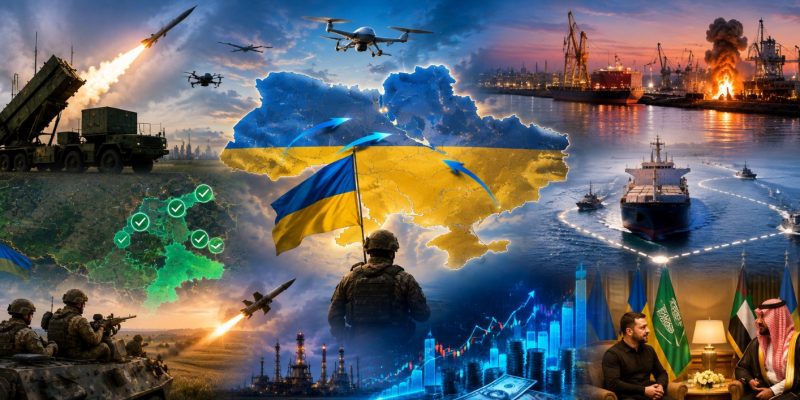
The week of August 9–15 was marked by continued Russian strikes on Ukrainian infrastructure and Ukrainian attacks on targets inside Russia. Kyiv said its forces had regained 745 square kilometers of territory since the beginning of the year, called for stronger air-defense capabilities and proposed suspending attacks on civilian shipping in the Black Sea. At the same time, the National Bank announced the largest stage of currency liberalization since the start of the full-scale war, while Ukraine expanded diplomatic contacts with Saudi Arabia and other international partners.
Related: Weekly Digest of Events in Ukraine (August 2–8, 2026): key developments
Ukraine says it has regained 745 square kilometers of territory
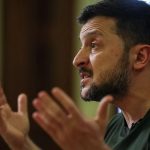
On August 12, Volodymyr Zelensky said Ukrainian forces had regained control of about 745 square kilometers of territory since the beginning of 2026. According to the president, the operation was conducted along a roughly 60-kilometer stretch in the area where the Dnipropetrovsk, Donetsk and Zaporizhzhia regions meet. Kyiv said 26 settlements had been liberated.
The independent monitoring group DeepState confirmed Ukraine’s return to 19 settlements and reported advances by Ukrainian forces in several other areas. At the same time, Russia’s Defense Ministry said on August 15 that Russian forces had captured 19 settlements in the Dnipropetrovsk and Zaporizhzhia regions since the start of the summer campaign. Reuters could not independently verify the Russian claims.
Russia continues strikes on ports and infrastructure
On August 9, Russian strikes damaged port infrastructure in Odesa, energy facilities and other buildings. Ukrainian authorities said around 90,000 consumers temporarily lost access to electricity, although power was restored to most of them after the attack. The strike came as Ukraine continued using its maritime corridor to export agricultural products.
On August 13, a Russian attack targeted Izmail, one of Ukraine’s key Danube ports. Infrastructure facilities were damaged and electricity supplies were disrupted. Volodymyr Zelensky again called on the United States to accelerate deliveries of Patriot interceptor missiles, saying that even 5% of the U.S. stockpile would significantly strengthen the protection of Ukrainian cities.
Kyiv reports Ukrainian strikes on targets in Russia
During the week, Ukraine continued attacks against Russian military and energy infrastructure. On August 10, Russian authorities reported the aftermath of a Ukrainian drone attack on Nizhnekamsk, saying at least 13 people, including a child, were killed. Russian officials also reported other strikes in border regions.
On August 15, Ukrainian forces said they had struck the Progress missile and space center in Samara and the Savasleyka airfield in the Nizhny Novgorod region. Russia did not provide full confirmation of the extent or nature of the reported damage. Strikes against facilities deep inside Russia remain part of Ukraine’s efforts to disrupt Russian military and fuel infrastructure.
Russia rejects proposal to halt attacks in the Black Sea
On August 14, Moscow rejected the idea of a temporary halt to military action in the Black Sea. Russian Foreign Ministry spokeswoman Maria Zakharova said Moscow had not received an official proposal and did not consider a return to the previous grain agreement appropriate.
According to Reuters, Ukraine had proposed, through an intermediary, suspending attacks on civilian shipping. Discussions about such restrictions have gained importance following a series of attacks on commercial vessels and port infrastructure. Restrictions on shipping could directly affect grain exports and food prices on global markets.
NBU announces largest currency liberalization since 2022
On August 10, the National Bank of Ukraine announced a new package of measures easing currency restrictions. The monthly limit for purchasing foreign currency without cash, bank metals and foreign securities was increased fourfold, from UAH 50,000 to UAH 200,000. Daily withdrawal limits for funds held in Ukrainian and foreign bank accounts were also raised to UAH 200,000.
The NBU said the measures were intended to expand opportunities for businesses and make the country more attractive to investors while maintaining control over the foreign-exchange market. The central bank said further easing would depend on inflation, international reserves, interest rates and financial stability. Its strategy envisages a gradual transition toward freer capital movement.
Kyiv expands contacts with Saudi Arabia
On August 10, Zelensky said he had spoken with Saudi Crown Prince Mohammed bin Salman. The two discussed defense cooperation, food security and a possible agreement involving drone technologies. Kyiv is also seeking to develop bilateral relations following a military cooperation agreement signed in March.
Contacts with Riyadh come as Ukraine seeks to broaden cooperation beyond its traditional Western partners. For Kyiv, drone technologies and Saudi Arabia’s potential role in discussions on security and food supplies are among the areas of particular interest.
The key issues for the coming week include the situation on the southeastern front, the protection of port infrastructure and Ukraine’s access to air-defense systems. At the same time, efforts to establish conditions for safe shipping in the Black Sea and expand diplomatic contacts around the war are expected to continue.
The week’s economic development was further easing of currency restrictions, while the military situation continues to shape risks for trade, energy and exports.